


Community work
reachcommunitychurch.ca
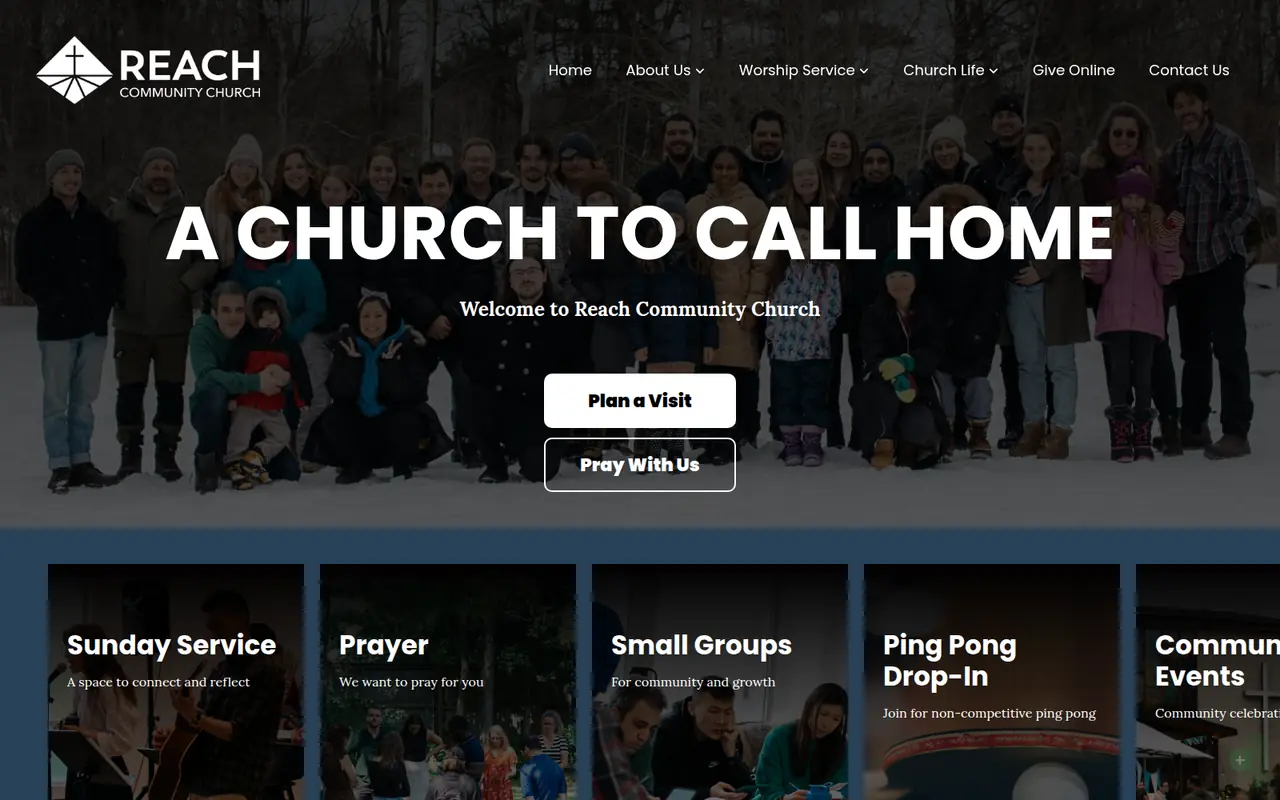
I volunteered to build this for a church in North York. The site has the times, the address, and how to visit. People find the community through it.
Open the site
Built a profitable e-commerce business, its iOS companion, and the agentic engineering that keeps improving it. I work AI-native and I learn quickly.
Quaza Inc.
Quaza Inc. is my commerce business, profitable in its first half. I built what it runs on: the Storefront, iOS App, Market Tracker, and Quaza Hub, the local AI‑native server that automates and powers it all.
The flagship
One company, every surface. A storefront, an iOS app, a price tracker, a news blog, and an AI architecture that optimizes it all. Shop and tracker read one prices API.
The storefront
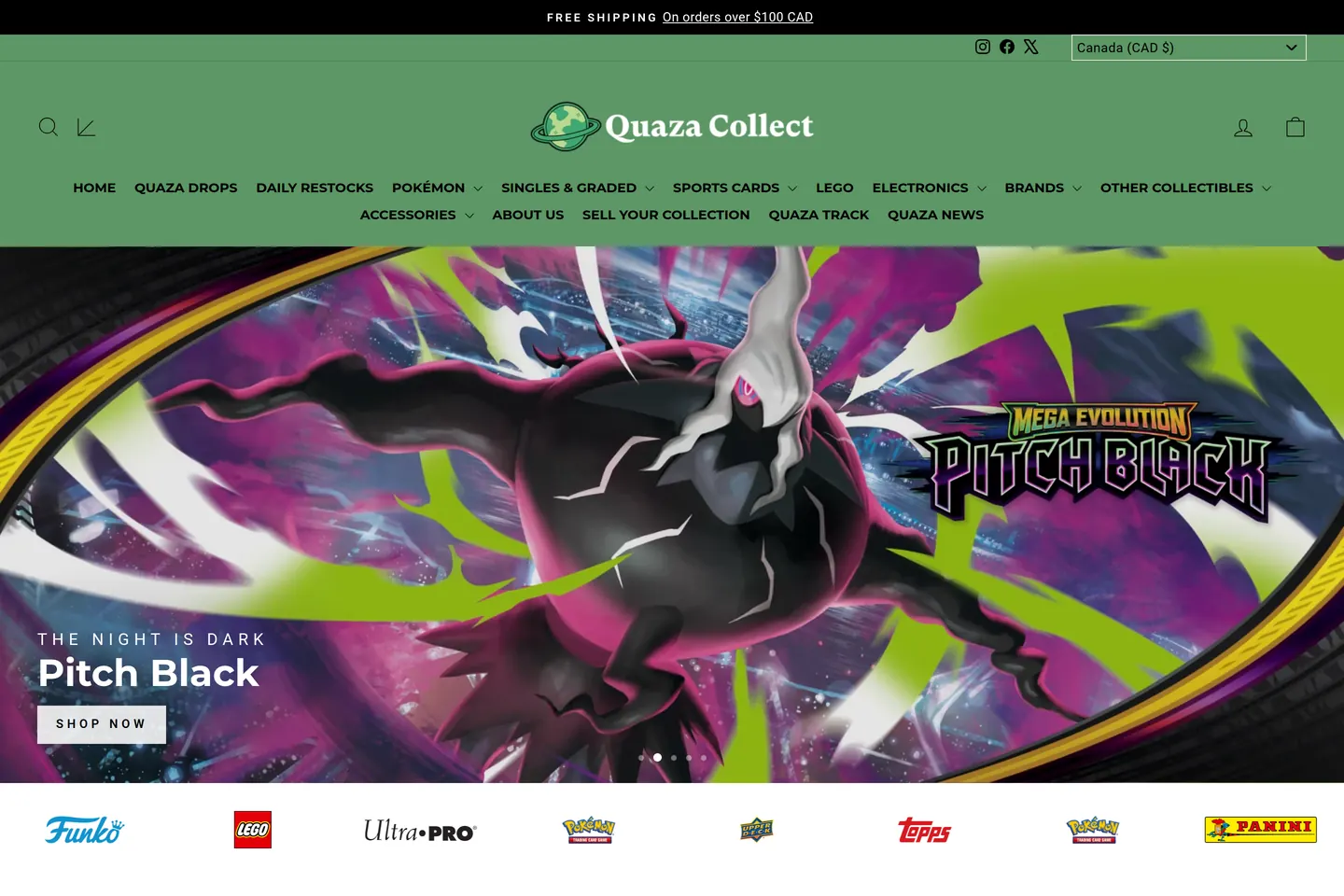
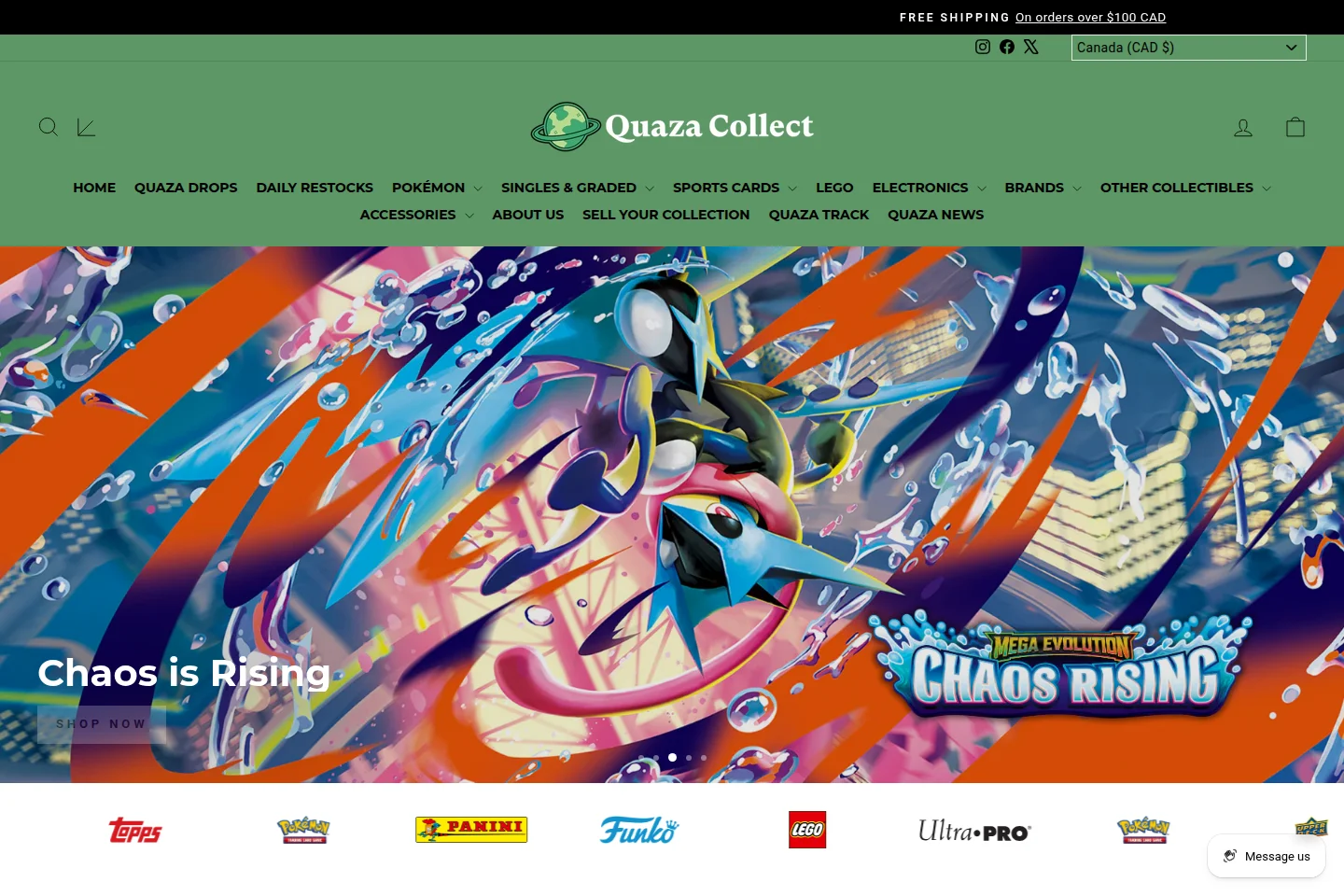
A fast storefront built for conversion and agentic commerce. It syncs with the iOS app and marketplaces, and AI workflows keep improving it.
47.7% gross margin
The companion
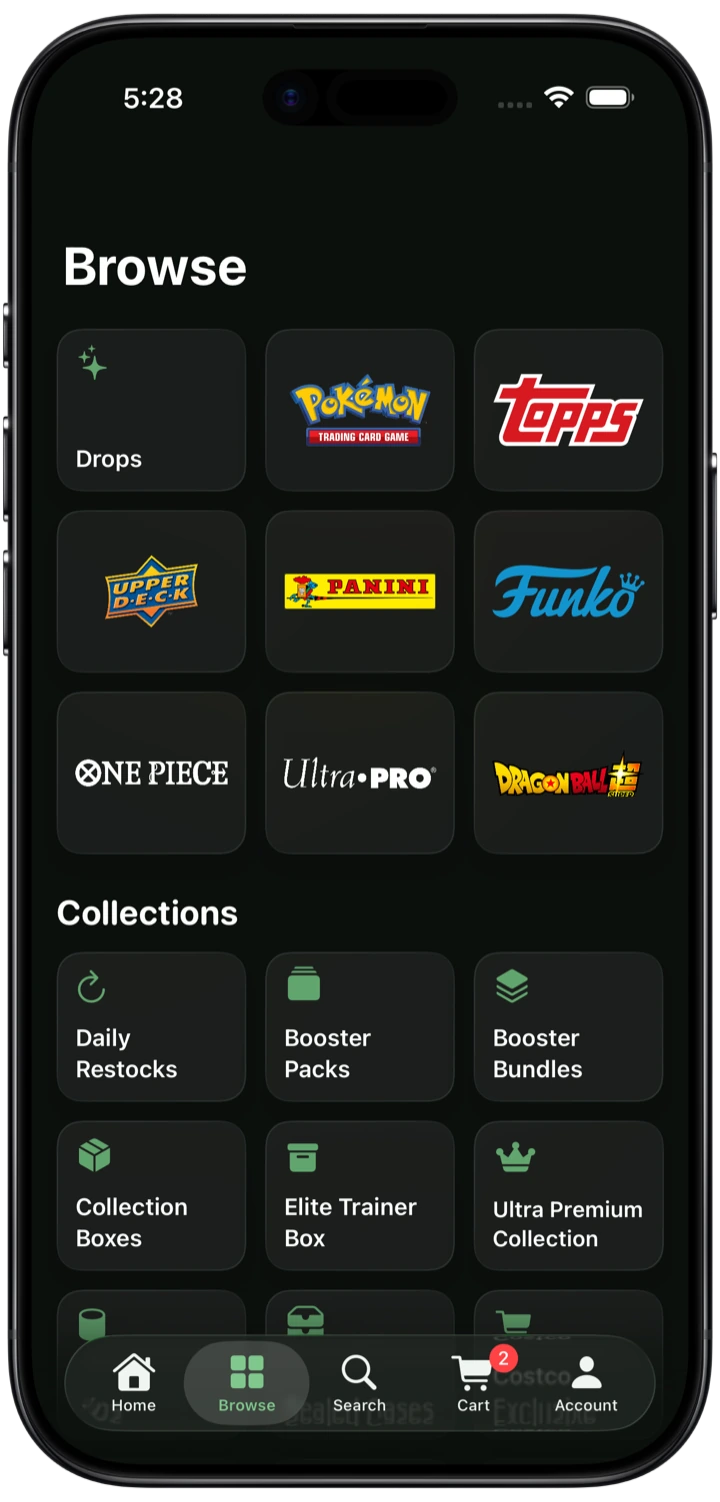
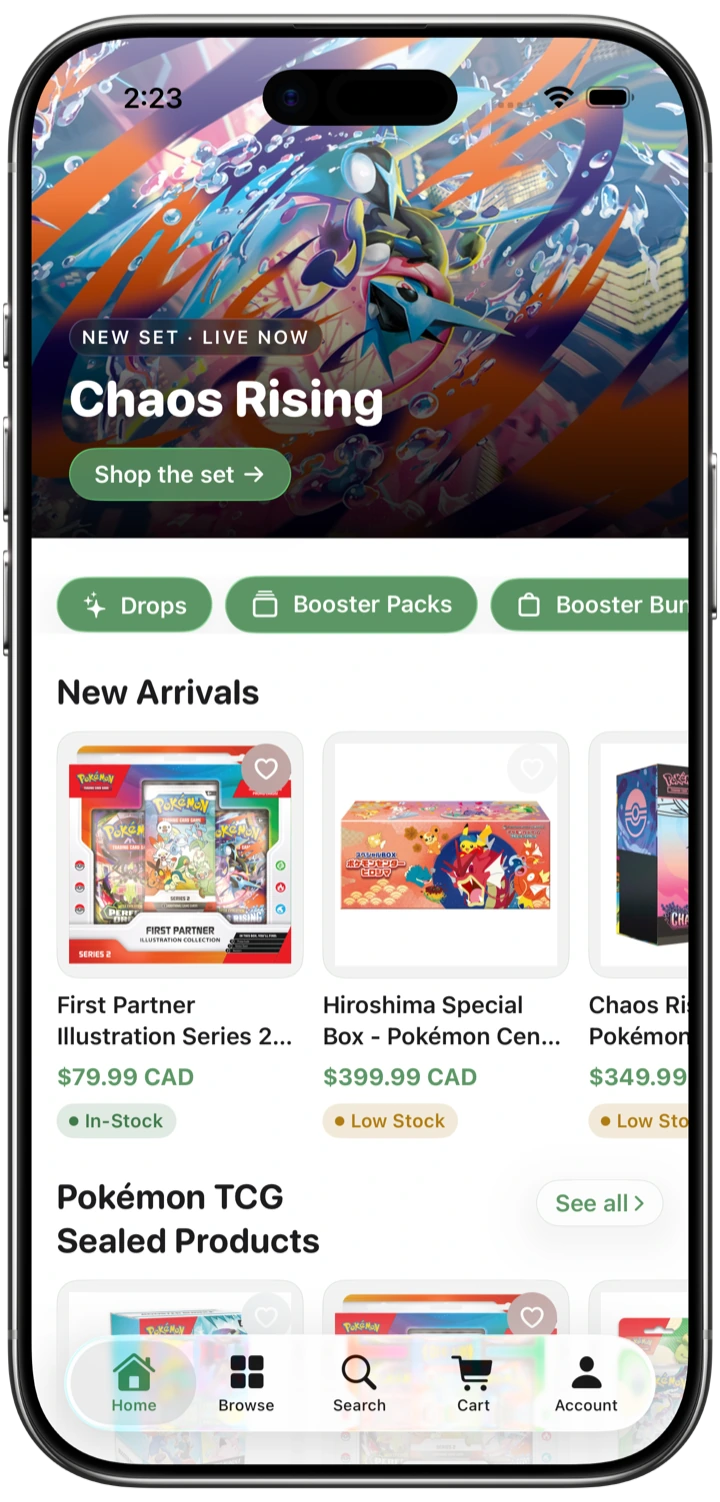
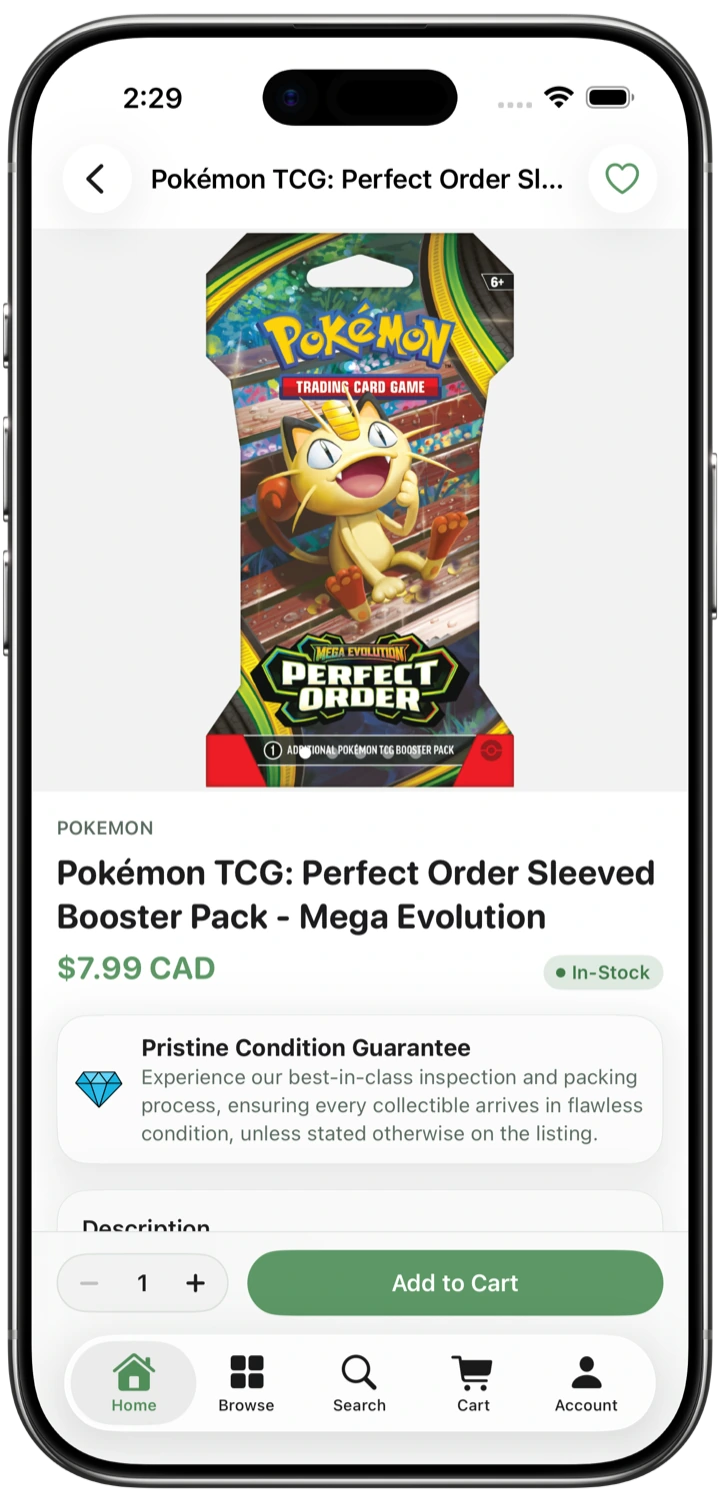
I learned Swift by shipping this. Live on the App Store, connected to the storefront, and providing a free price tracker that builds an organic loyal customer base.
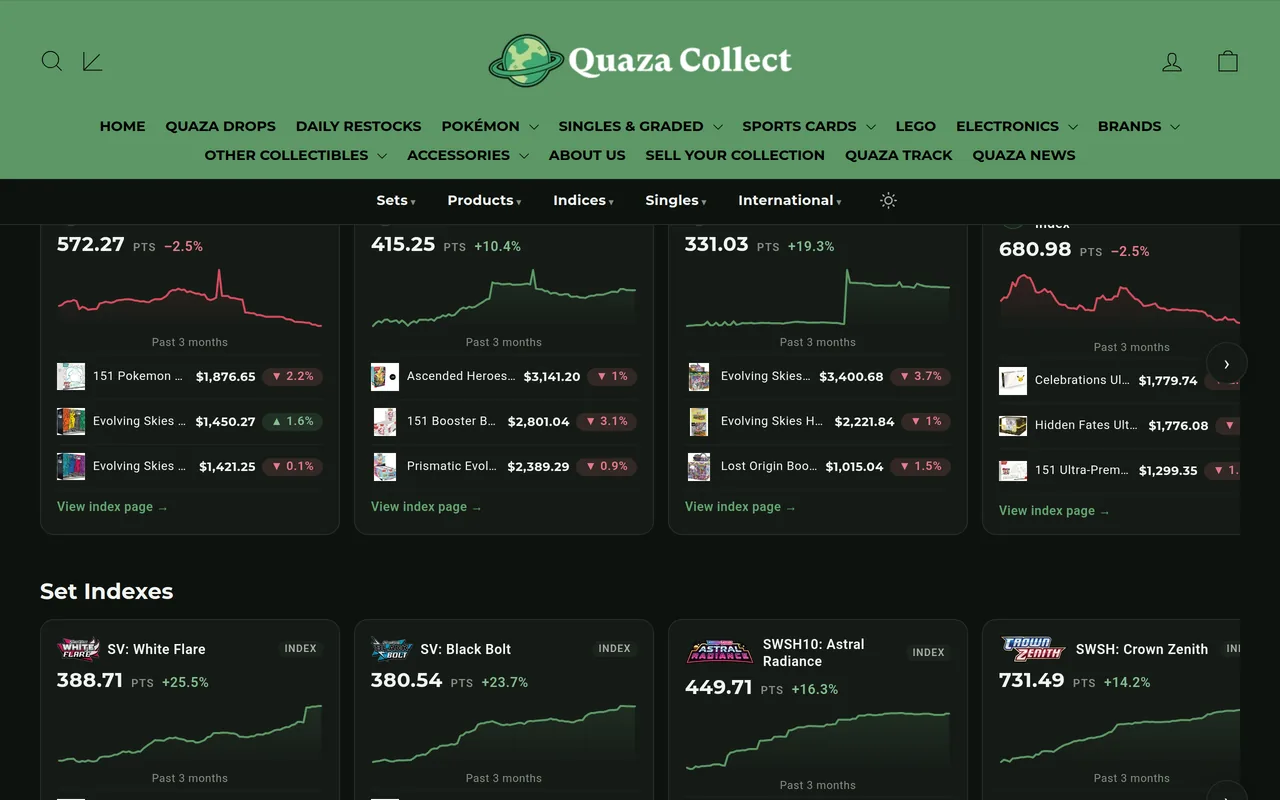
Light / Dark Mode · Price tracker and indexes
The moons
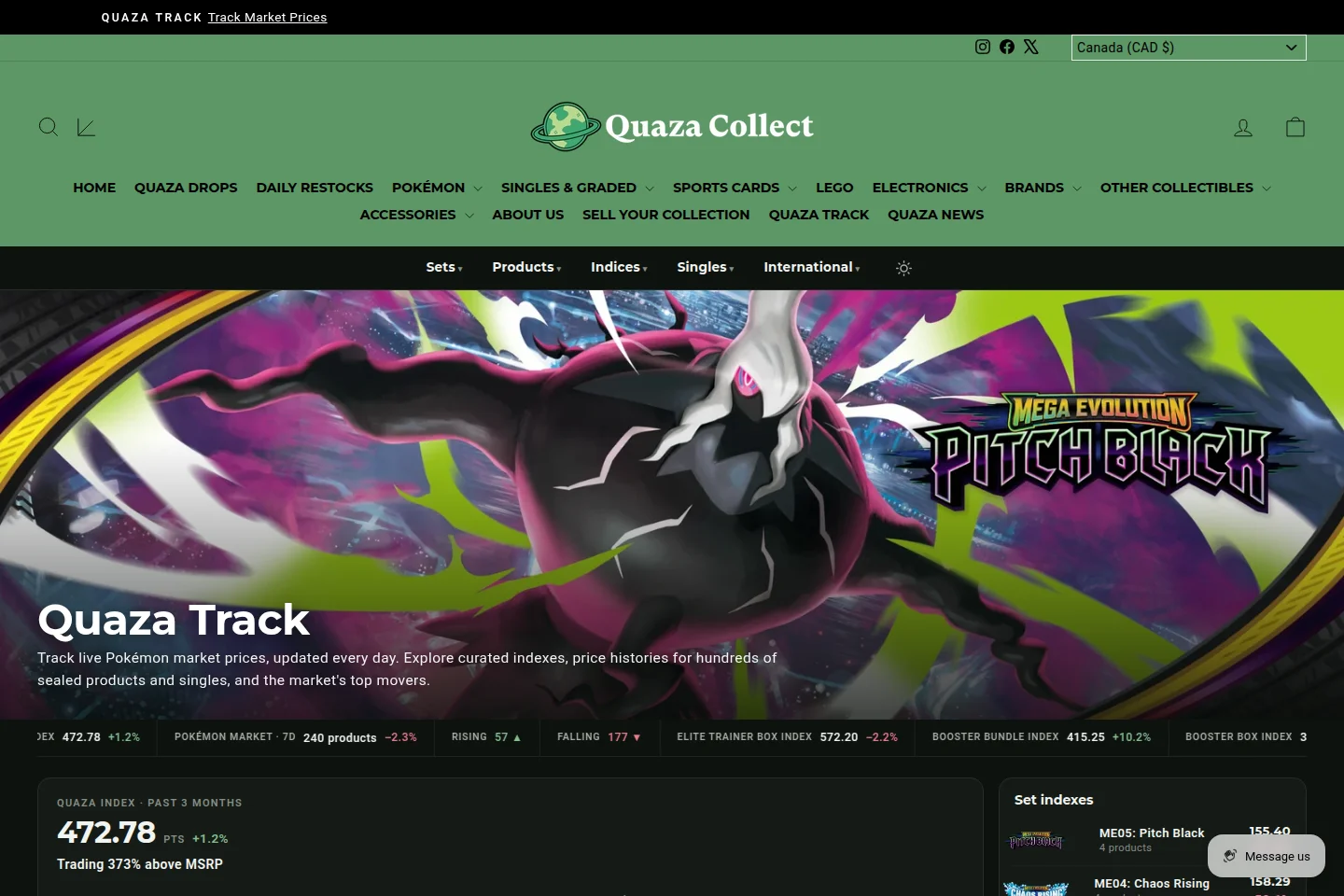
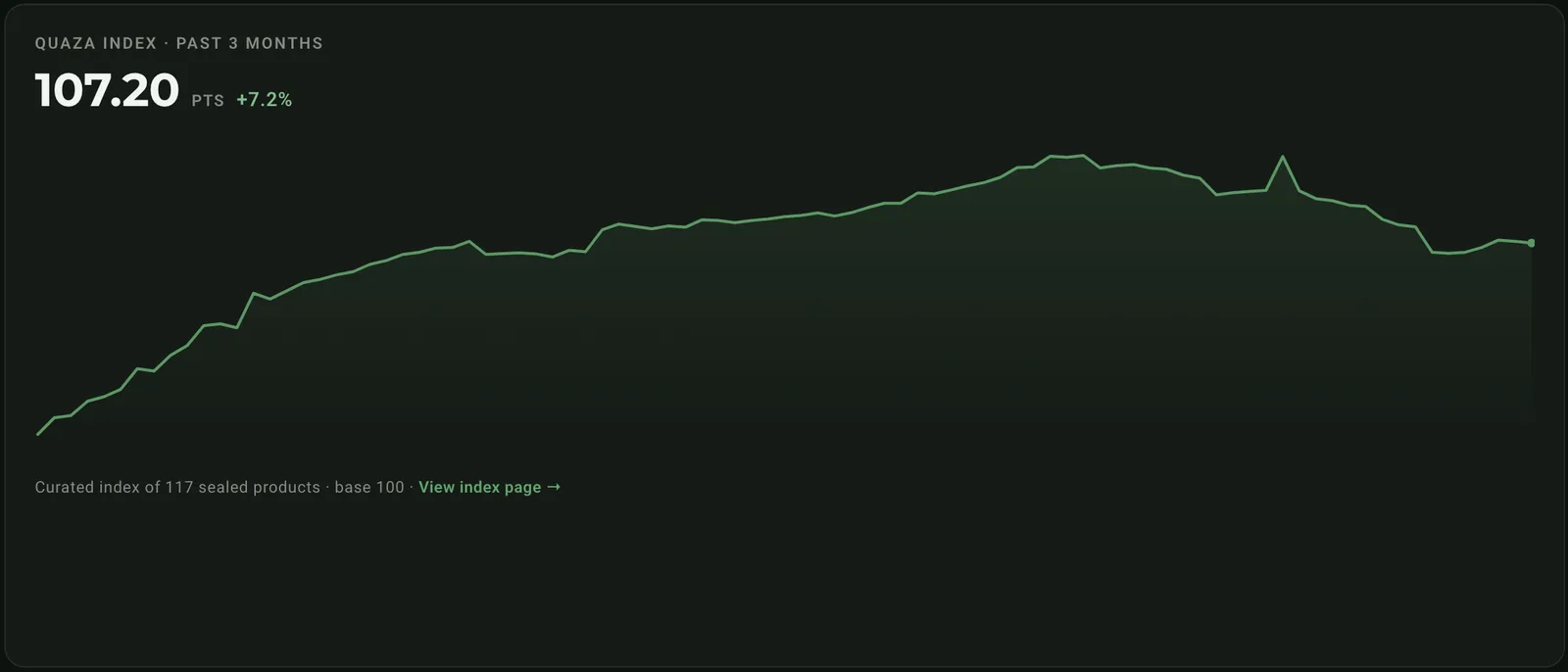
Live market indexes updated daily, and articles from a pipeline I built to research, draft and apply SEO before anyone sees them.
Free useful tools · a long term loyal userbase

The lab
A Quaza Inc. subsidiary. A digital agency that helps small businesses build and run their digital side, from website design to local open-weight model training.
The machine
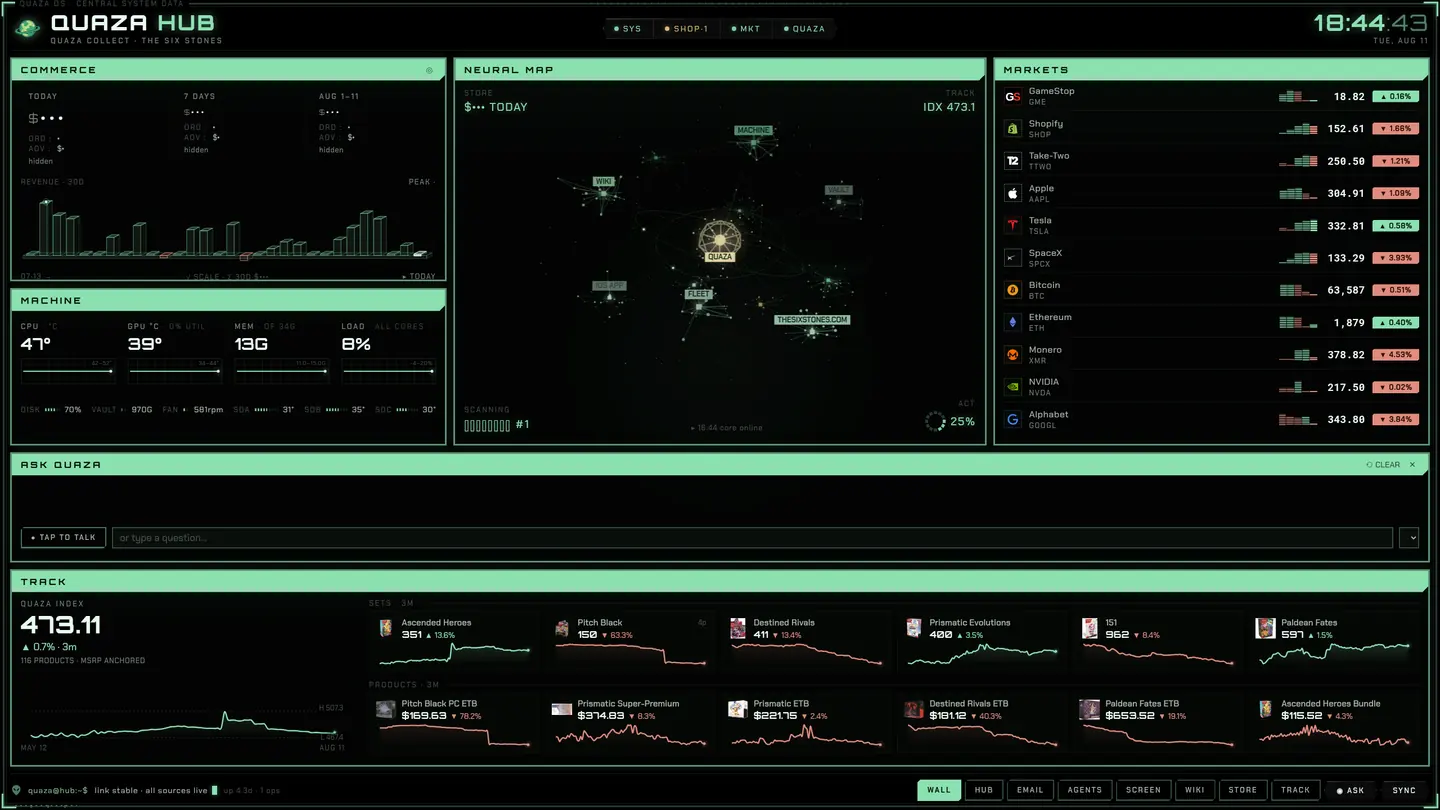
Behind the business runs Quaza Hub, a local Linux server where agents work under written rules. My MacBook offloads the heavy work to it, and it runs custom LoRA-trained models.
24/7 · automated agentic work
Digital Marketing Manager
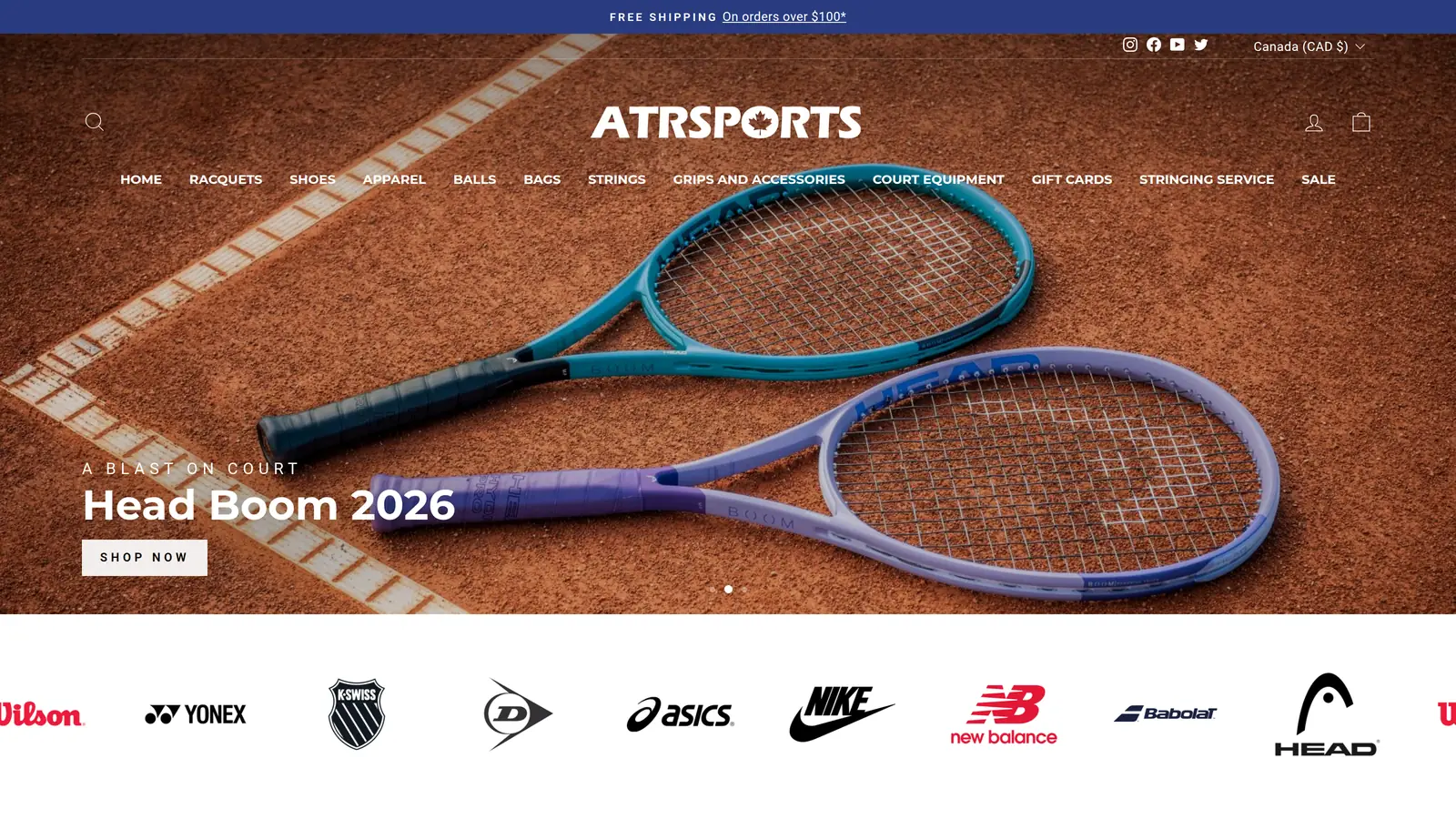
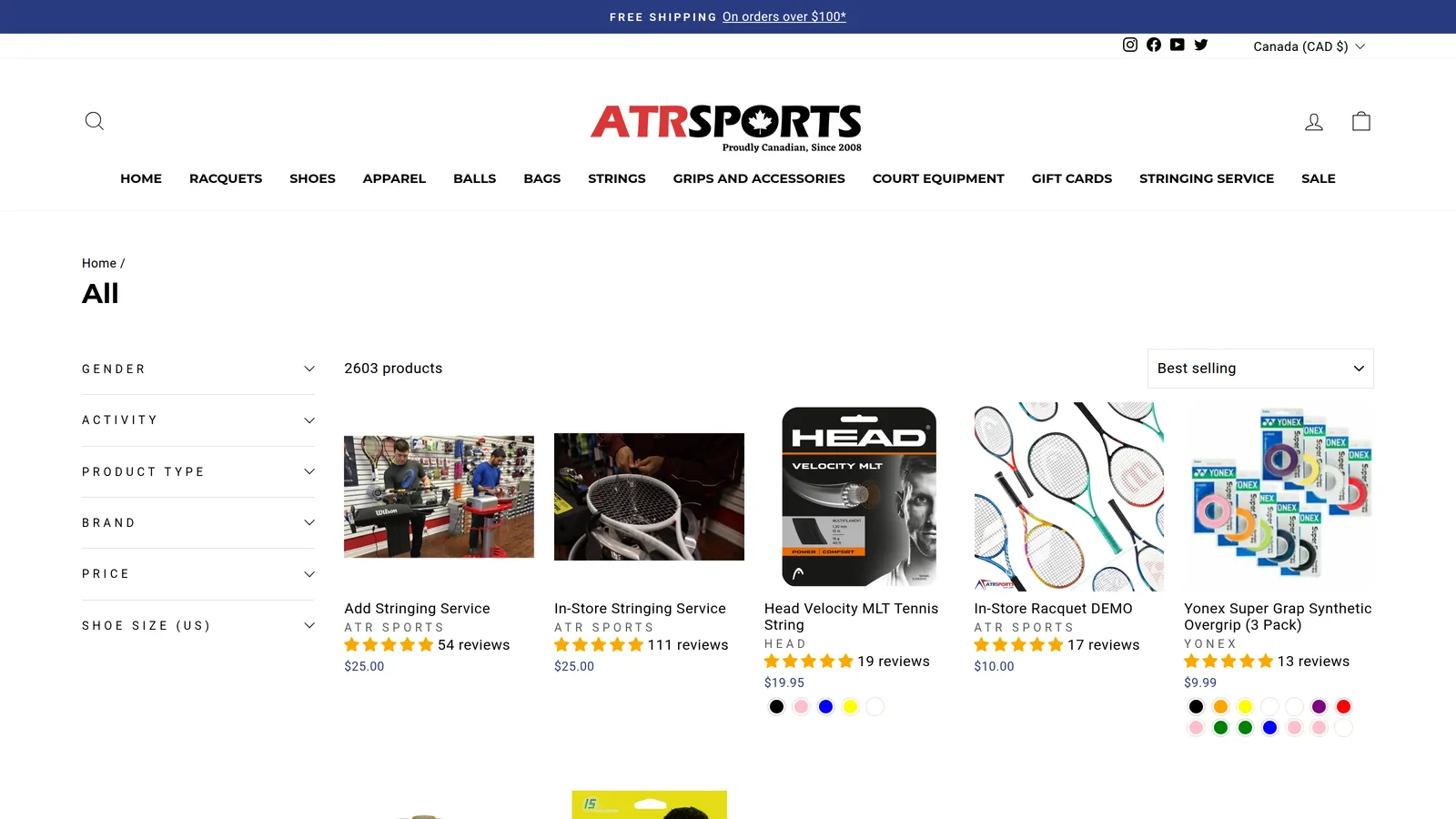
A racquet-sports retailer, Canadian since 2008. My full-time job. I rebuilt the storefront from scratch and run the online business alone.
The turnaround
Google Ads first. The old store was slow, so I rebuilt it. I still run the online business.
515% online, first year · 2,603 SKUs
The file on the flagship: the store, the app, the one backend they share, and the machine behind them. The working parts are rebuilt further down, live.
Built quazacollect.com App Store
Every section of the theme is written Liquid rather than a configured preset, so any surface can change without waiting on anyone. A pushed branch is the deploy, and a review pass runs against the diff before it goes.
SwiftUI with the Observation framework and Swift Concurrency, learned by shipping it. Four releases in the first twenty-four days, and every screen wears the store's own design language.
Both clients read one Cloudflare Worker in front of a D1 database. A price in the app is the price on the site because there is exactly one place a number can come from. That constraint was set before either client existed, which is why neither has ever needed reconciling.
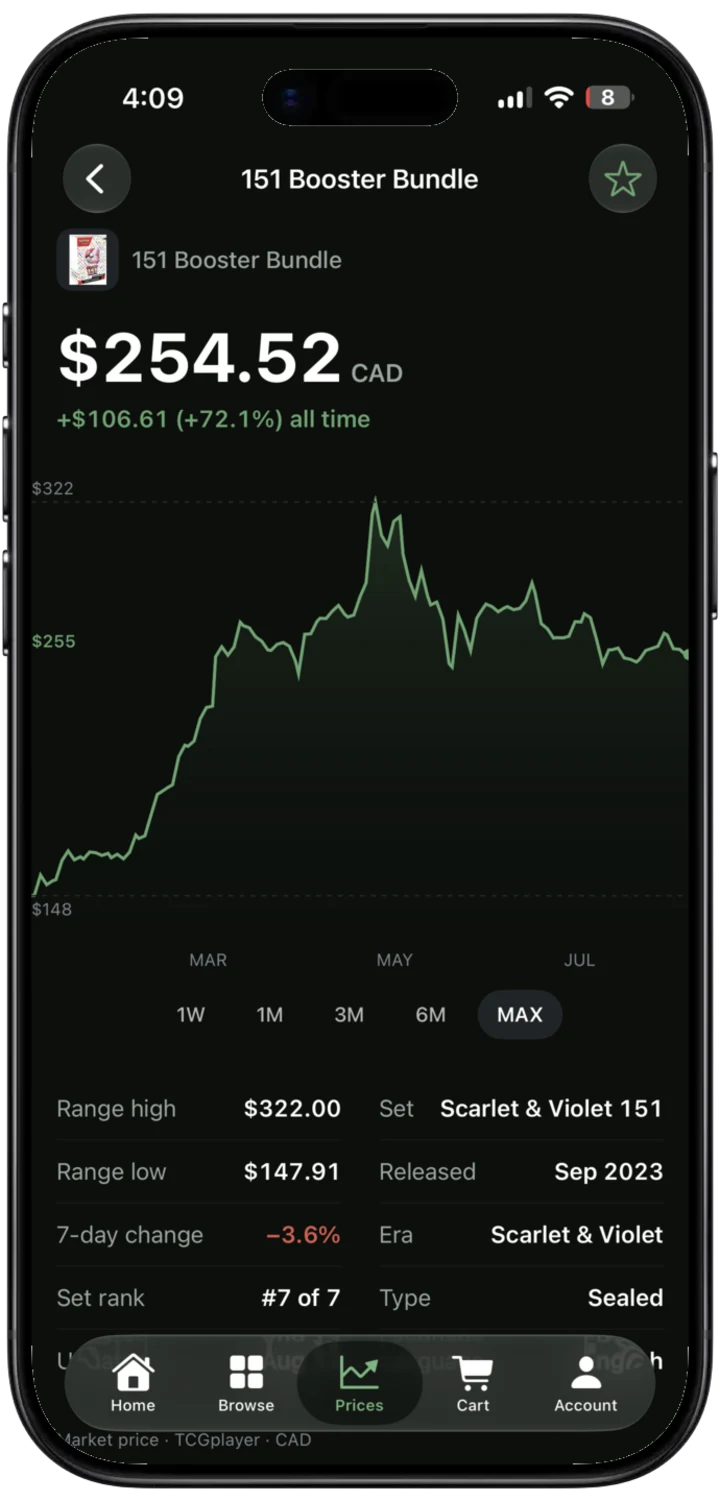 one backend · one price
 I steer from a phone and a Mac. Quaza Hub is the Linux server that runs the tools. One coding worker runs on each repository. Standing specialists work one lane each, through a chief of staff. Typecheck, tests, and a browser pass run on the build. A local model retrieves from the store's own writing. The wall shows the store, the hub, and the markets.
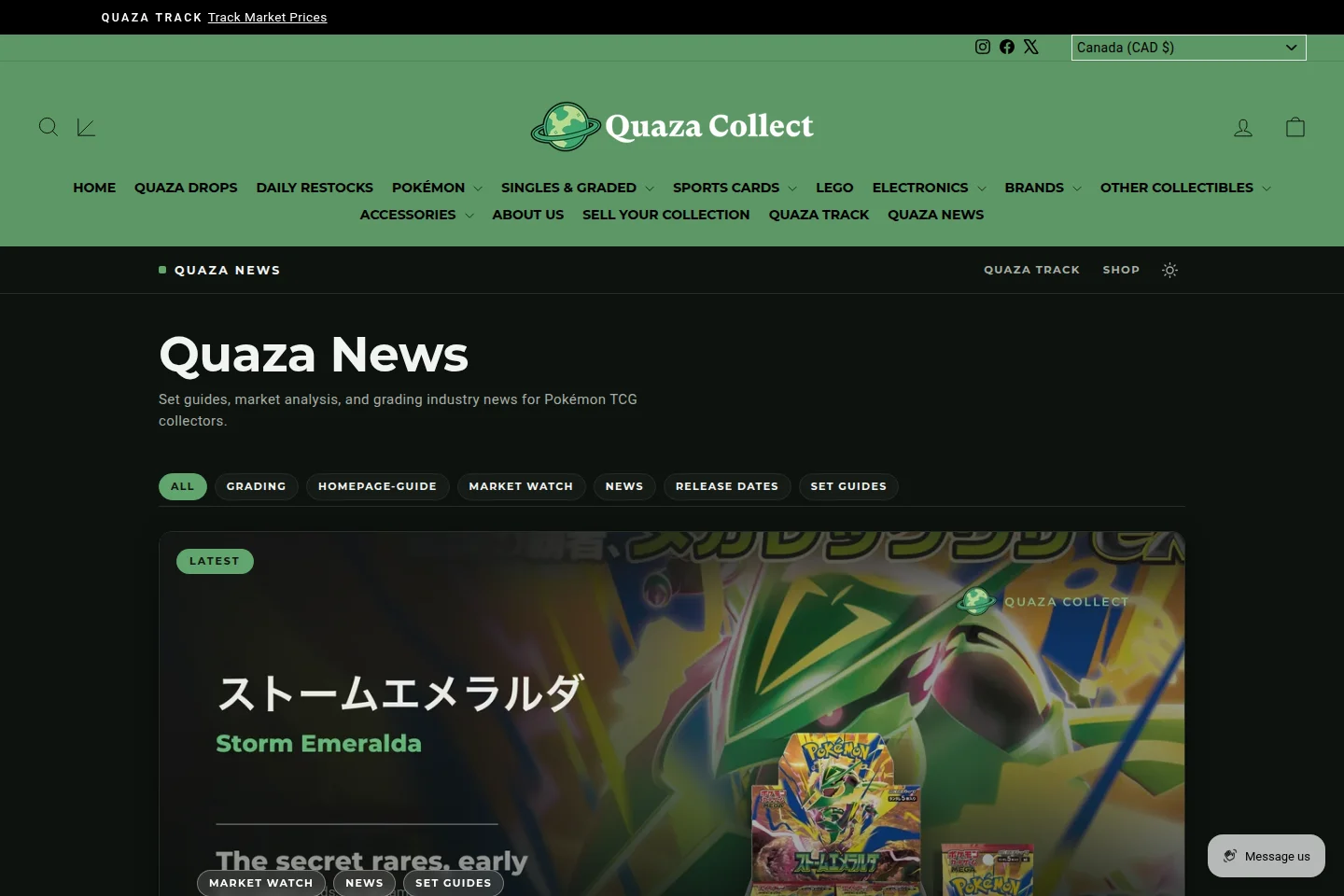
Set guides and market analysis, researched and written end to end. It stops one step short of publishing, so a person approves every post that goes out.
Quaza News
Sealed held, singles drifted, and the reprint question stayed open.
Sealed boxes of Example Set ended the month close to where they began. Singles from the set drifted a few points lower, led by the alternate arts.
None of this is real. The set, the cards and the figures are invented for this page.
The chase card of the set gained on thin volume, which is the kind of move that fades. Mid-tier holos sat flat, and listed supply held steady all month.
A reprint would reset most of the numbers above, and rumours of one arrive on schedule. Until an announcement lands, every figure here stays what it is: an illustration.
Illustrative article, not a real post.
6 stages, run in order. Nothing here talks to Shopify: the run is a recreation.
The article is illustrative: the set, the cards and the figures are invented for this page. The run animates the real pipeline's order without talking to Shopify.
Quaza News is a TCG news blog on the Quaza Collect storefront, produced by a pipeline rather than typed into an admin: 18,246 lines of Python, a shared component library, and 73,195 words of prose across 30 built articles, tracked as 15,362 lines of article HTML. Publishing goes through the Shopify Admin GraphQL API, images first, article second, always as a Draft.
Every row is running in the company today.
The file on the agency: the live site, a restaurant in review, ads and tracking for a barbershop group, and the same hub on the work.
Built thesixstones.com
In review SNACC
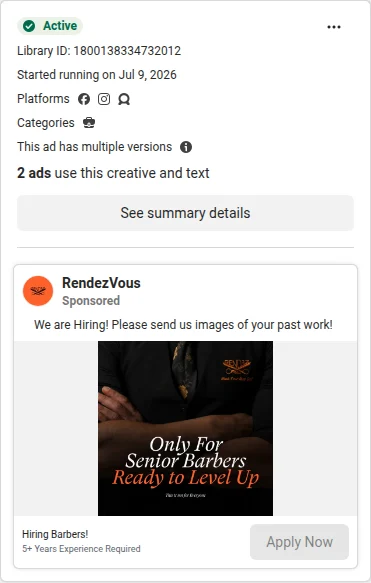
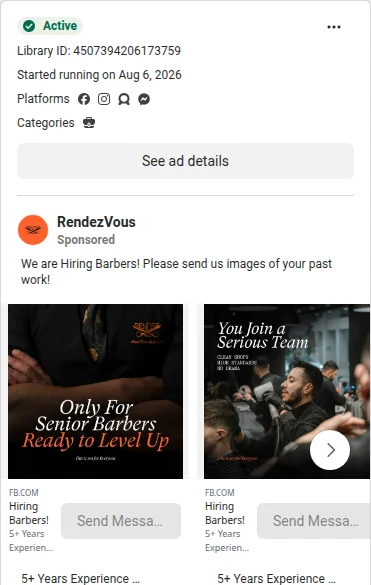
Rendezvous Instagram Hiring ads myrendezvous.ca
thesixstones.com is React and TypeScript. There is no component library. A push to main deploys the Worker. Hero type is italic serif, body is Space Grotesk, labels are mono. Scroll drives the motion. The earth behind the headline is WebGL on that same page.
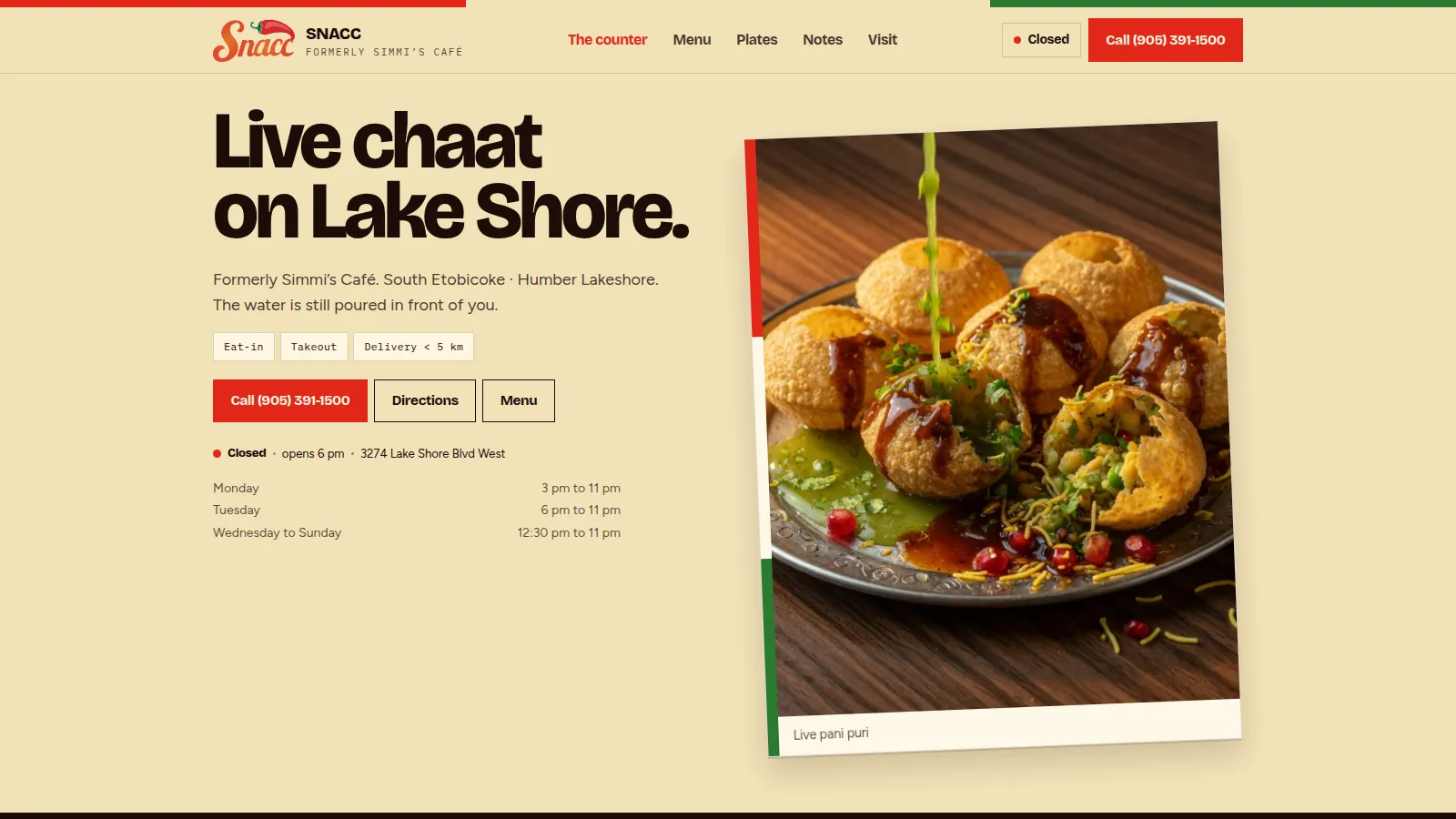
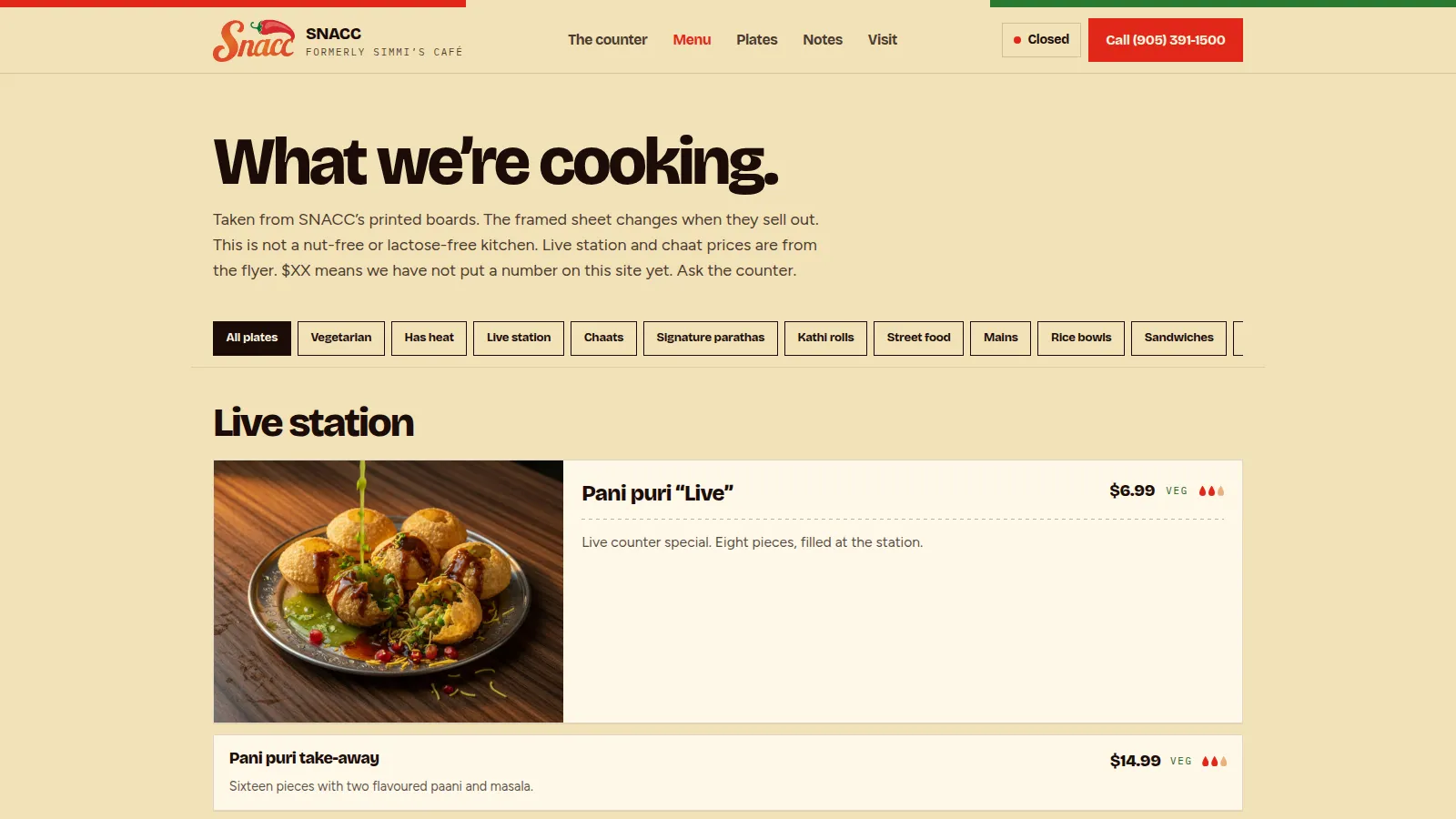
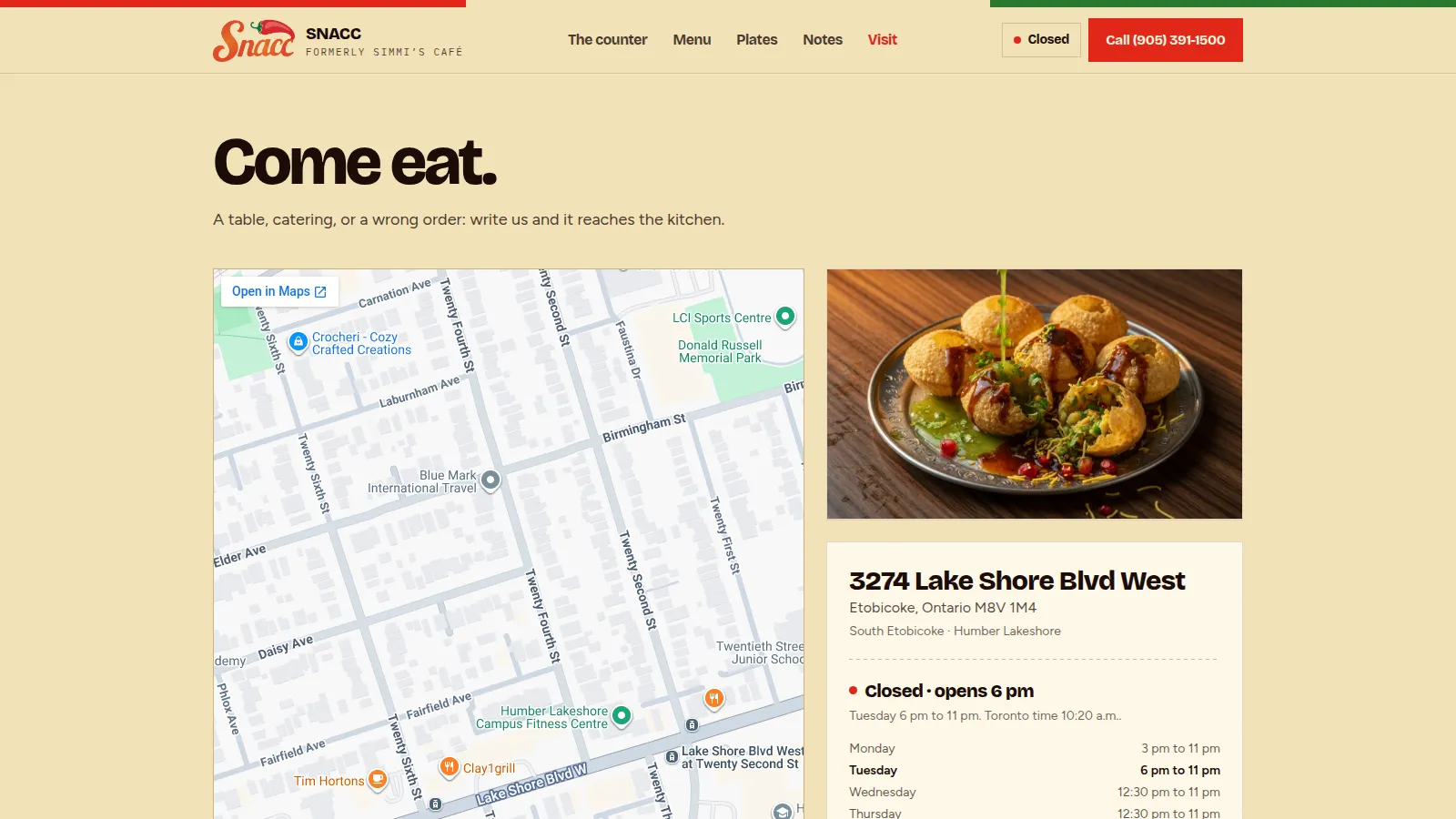
SNACC is Vite, React, and TypeScript. Open or closed is computed from Toronto time. The visit page has the Google Map and Restaurant JSON-LD. The menu has the dishes and the prices. Blog posts are on the site.
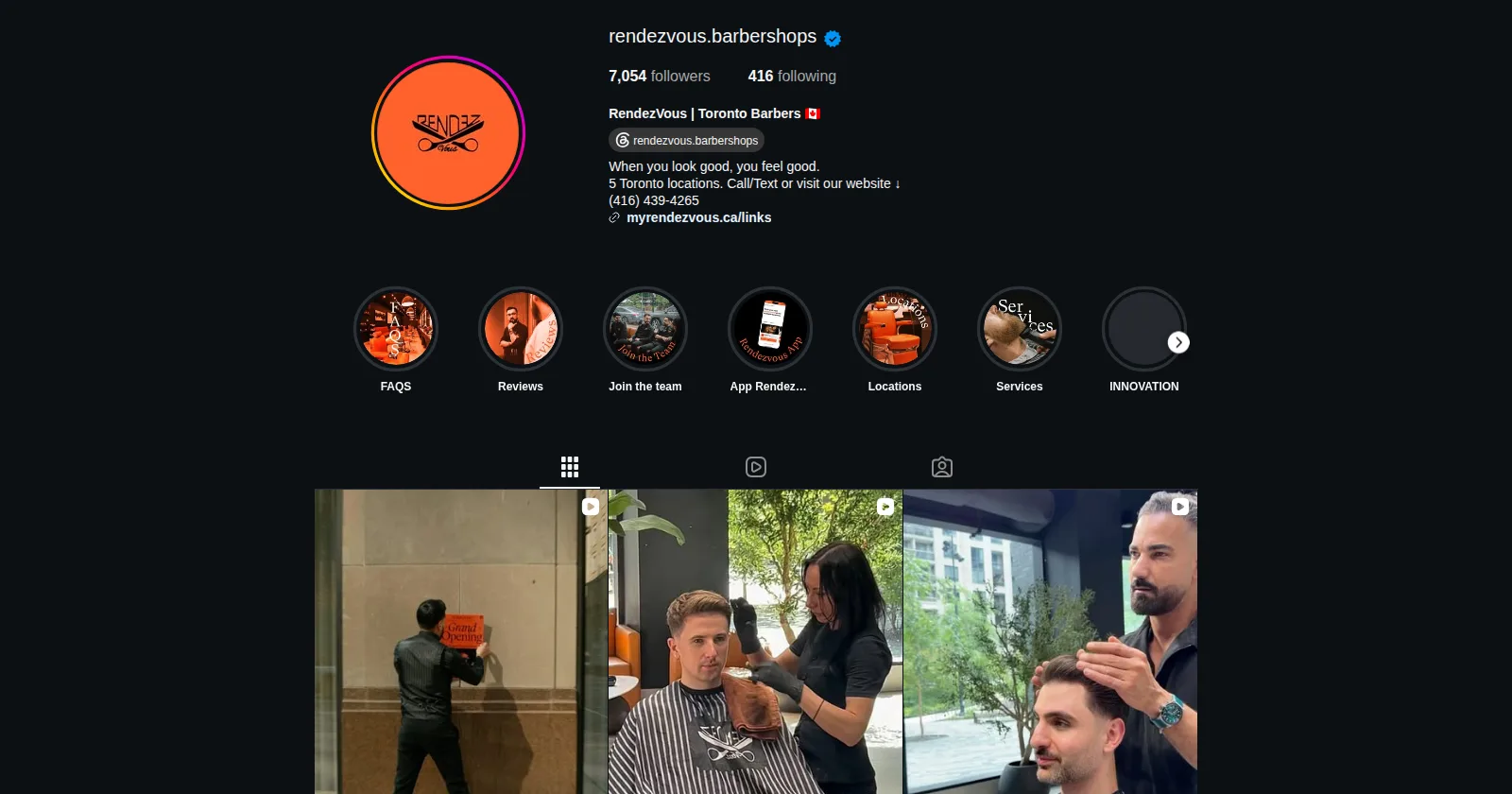
Google and Meta onboarding, and conversion tracking. Search, Facebook, Instagram, and hiring campaigns. Some work on the site too.
I steer from a phone and a Mac. The same hub that runs the store runs client work. One coding worker per repository. Standing specialists work one lane each, through a chief of staff. Typecheck, tests, and a browser pass run on the build. Nothing reaches a client without a look.
The agency site is live. SNACC is in review.
A racquet-sports retailer, Canadian since 2008. The file on the rebuild, the ads, and the years after.
Built atrsports.com
I joined in February. Google Ads came first. They hit a store I had not built. It was slow, so I rebuilt it. I designed the storefront. The pages are built to convert. The website and the shop floor share one catalogue. I run the digital side. I talk to manufacturers, negotiate, and decide what we stock. Search and social are mine. I do this alone.
I designed the storefront. Stringing is a product on the site.
I decide what we carry and what the site shows. Some manufacturers will not put their lines on a sitewide discount.
The business moved to a larger location. I am still Digital Marketing Manager.
I volunteered to build this for a church in North York. The site has the times, the address, and how to visit. People find the community through it.
Open the siteI shot these. An air show, Montreal, the moon, Rome. The rest of the gallery is there.
Open the galleryEvery build on this page happened alongside a full-time job. ATR is still the day job. Quaza was built around it. The degree ran under all of it.
Sole director. The store, the iOS app, and the backend this page opens with. Built part-time, while ATR stayed full-time.
Hired as Ecommerce Manager. The digital side of the store: storefront, catalogue, ads. Online sales up 515% in the first year. Company sales up 82% the same year.
Google Ads, conversion tracking, and site direction for Canadian small businesses. Rendezvous is the named client above. The practice later sits under Quaza Inc.
Co-op. Inside sales at a pest-control company.
Co-op. A marketing internship.
Diagnosis under time pressure with the customer watching. Intake, fix, handback.
Computing sales floor. Translating spec sheets into what a buyer actually needs.
E-commerce, web development, databases, and analytics as graded coursework.
Named platforms, plus the practices around them. Every line is live in the work above.